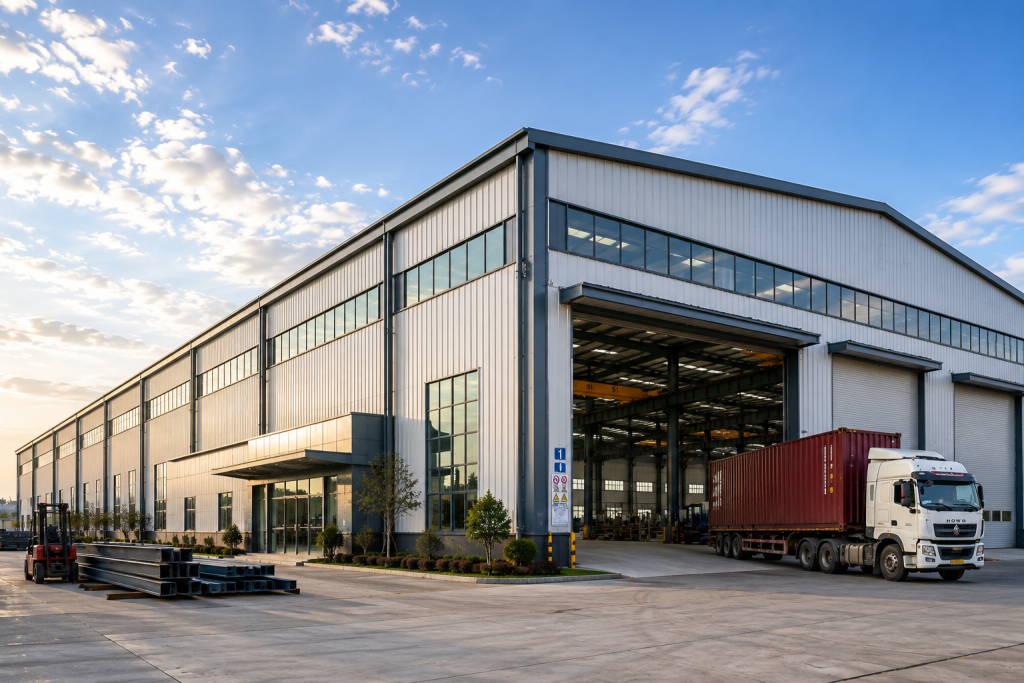
Why Buy a Steel Building from China?
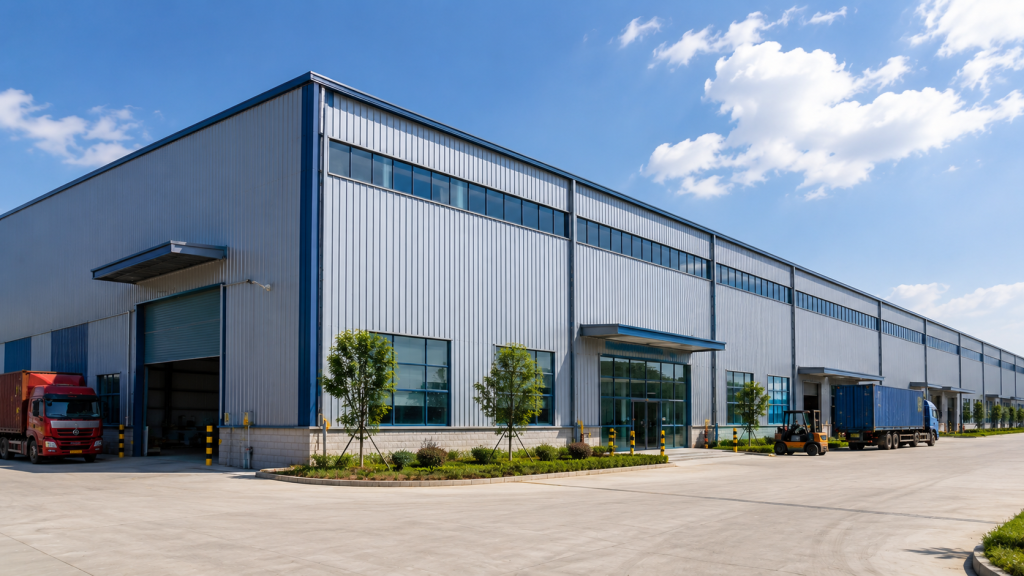
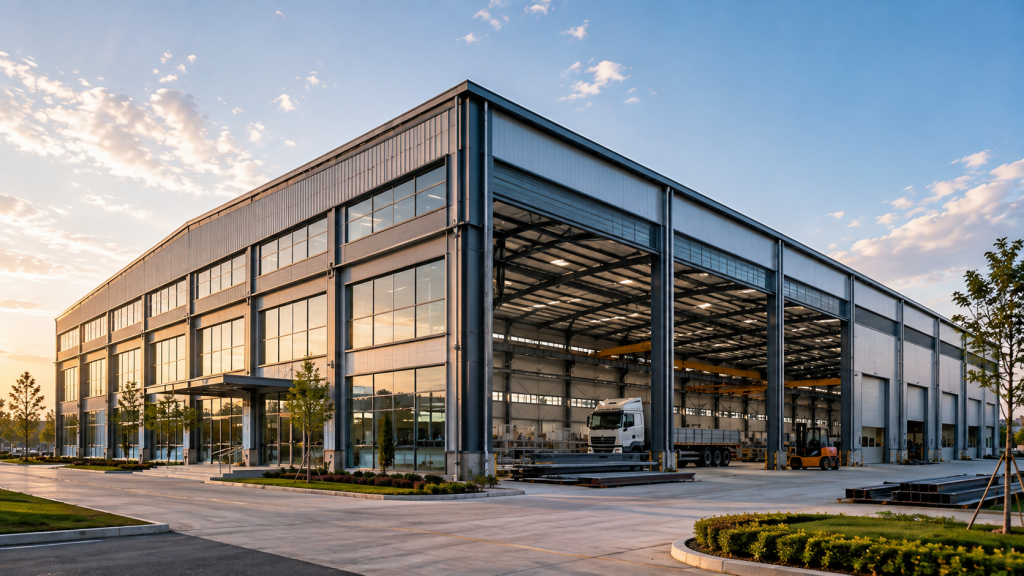
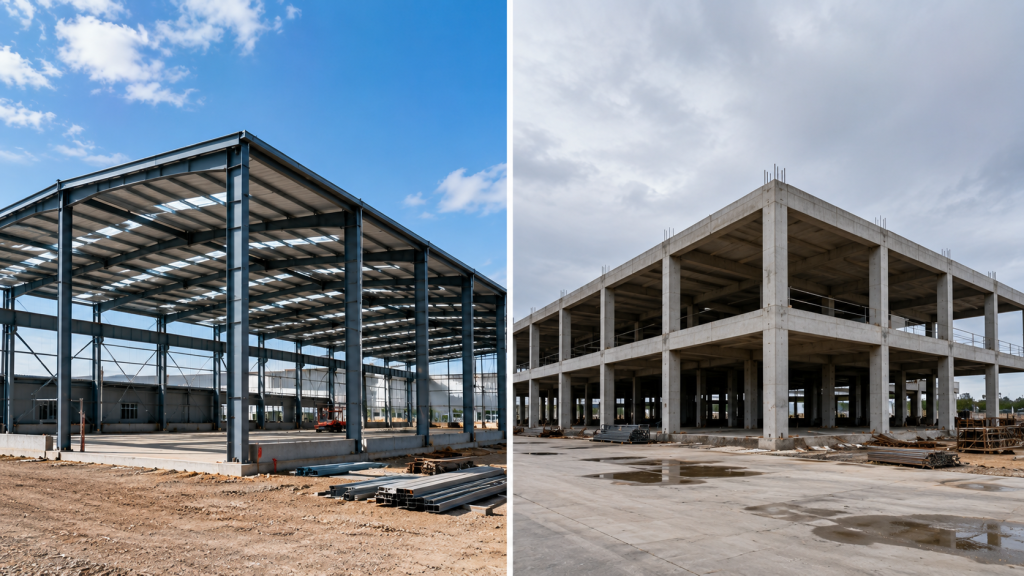
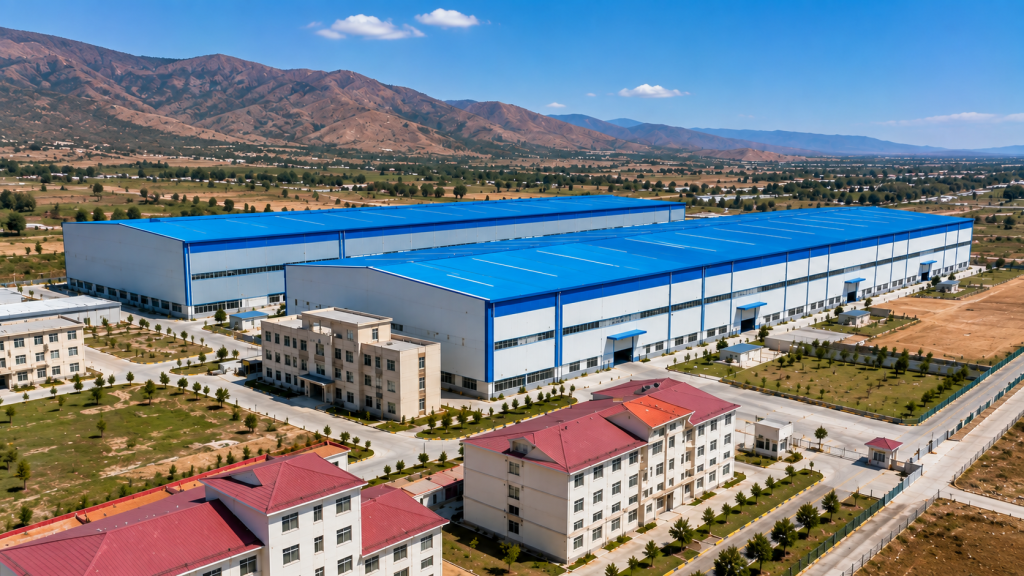
China has become an important sourcing market for prefabricated steel buildings, industrial steel structures, warehouses, workshops, factories, hangars and agricultural buildings.
For international buyers, purchasing a steel building from China can provide access to engineering services, large-scale fabrication capabilities, customized production and international shipping support.
However, buying a steel structure building is very different from purchasing a standard product. A steel building is an engineered project. Its design depends on building dimensions, project location, wind and snow loads, seismic requirements, intended use, equipment loads and local construction conditions.
For this reason, international buyers should evaluate not only the quoted price but also the supplier’s engineering capability, manufacturing process, project experience, documentation and delivery support.
Xinguangzheng supports international steel structure projects through design coordination, manufacturing, project support and global delivery.
1. Define What Type of Steel Building You Need
Before contacting a steel building supplier in China, buyers should first define the intended application of the building.
Common project types include:
- Steel structure warehouses
- Steel structure workshops
- Industrial factory buildings
- Prefabricated steel buildings
- Aircraft hangars
- Agricultural buildings
- Livestock buildings
- Commercial steel buildings
- Large-span steel structures
- Multi-storey steel buildings
The intended use affects almost every part of the structural solution.
For example, a warehouse may prioritize clear storage space and loading access, while a workshop may require overhead cranes. A factory may need production-line openings and equipment loads, while a hangar may require a large clear span and wide entrance.
Clearly defining the building application helps the supplier develop a more appropriate structural proposal.
2. Prepare the Basic Project Information
A professional steel building quotation cannot be prepared accurately from floor area alone.
Before requesting a quotation, buyers should prepare as much project information as possible, including:
- Project country and city
- Building application
- Building length
- Building width
- Eave height
- Required clear height
- Preferred clear span
- Column spacing requirements
- Roof and wall requirements
- Door and window dimensions
- Crane requirements
- Mezzanine requirements
- Equipment loads
- Existing drawings, if available
The project location is particularly important because structural design conditions vary between countries and regions.
3. Provide the Exact Project Location
One common mistake in international steel building procurement is requesting a quotation without providing the project location.
The same building dimensions may require different structural solutions in different locations.
Local conditions may affect:
- Wind load
- Snow load
- Seismic requirements
- Temperature conditions
- Rainfall
- Corrosion environment
- Applicable design standards
A building designed for a low-wind inland area should not automatically be used for a coastal project with stronger wind requirements.
Providing the project country and city at the beginning allows the engineering team to evaluate the relevant design conditions before finalizing the structural solution.
4. Choose a Steel Structure Manufacturer, Not Only a Seller
When sourcing a steel building from China, buyers should understand who will actually design and manufacture the structure.
A supplier may operate as a manufacturer, engineering company, trading company or a combination of these roles.
For industrial and customized projects, direct communication with a capable steel structure manufacturer can make engineering coordination and technical communication more efficient.
Buyers should evaluate whether the supplier can support:
- Structural engineering
- Detail drawing preparation
- Steel fabrication
- Quality inspection
- Surface treatment
- Packaging
- Container loading
- Shipping coordination
- Installation drawings
- Technical project support
More information about Xinguangzheng and our steel structure manufacturing capabilities is available on our About Us page.
5. Evaluate Engineering Capability
A steel building supplier should not be evaluated only by factory size or quoted steel tonnage.
Engineering capability is one of the most important parts of a steel structure project.
Engineers may need to coordinate:
- Structural layout
- Design loads
- Member sizing
- Connection design
- Crane loads
- Mezzanine loads
- Large openings
- Roof and wall systems
- Fabrication requirements
- Transportation limitations
The objective is to develop a structure that meets engineering requirements while remaining practical to manufacture, transport and install.
6. Do Not Compare Quotations by Price Alone
Two steel building quotations may appear to describe the same project while actually including different materials, specifications and supply scopes.
Before comparing final prices, buyers should first confirm whether the quotations are technically comparable.
Important items to compare include:
- Structural steel specifications
- Steel quantity
- Roof panel specifications
- Wall panel specifications
- Insulation system
- Surface treatment
- Doors and windows
- Bolts and connection components
- Gutters and downpipes
- Ventilation components
- Packaging
- Shipping terms
- Installation support
A lower quotation may simply exclude materials or services included in another supplier’s proposal.
Technical scope should therefore be compared before price.
7. Check the Structural Steel Specifications
Structural steel is the core material of a steel building, but buyers should not assume that every quotation uses the same steel grades, plate thicknesses or section sizes.
The required structural members should be determined according to engineering calculations and actual project requirements.
Using unnecessarily heavy sections may increase cost, while inadequate structural sections may fail to meet the required performance.
International buyers should ask suppliers to clearly identify the structural materials included in their proposal.
8. Understand the Roof and Wall System
The roof and wall system can significantly affect both project cost and building performance.
Common options may include:
- Single-layer metal sheets
- Insulated sandwich panels
- Roof insulation systems
- Wall insulation systems
- Daylighting panels
- Ventilation systems
The appropriate solution depends on climate, building application and insulation requirements.
A general storage warehouse may require a different envelope system from a food-processing facility, industrial workshop or temperature-controlled building.
Before approving a quotation, buyers should confirm panel type, thickness, insulation and accessory specifications.
9. Confirm Crane Requirements Before Ordering
Overhead cranes can have a major impact on the design of steel workshops and industrial buildings.
If a project requires cranes, buyers should provide the relevant information before structural design is finalized.
Typical crane information includes:
- Crane capacity
- Crane span
- Lifting height
- Number of cranes
- Operating requirements
Adding an overhead crane after the main structure has already been designed may require significant changes to columns, crane brackets, runway beams and foundations.
10. Review Drawings Before Production
Drawings are an important communication tool between the buyer, engineering team and manufacturing team.
Before fabrication begins, important project details should be reviewed and confirmed.
These may include:
- Building dimensions
- Structural layout
- Column locations
- Door and window openings
- Crane systems
- Mezzanine areas
- Roof layout
- Wall layout
- Drainage system
- Connection details
Changes made after production begins can increase cost and may affect the project schedule.
Careful drawing review before manufacturing can help reduce misunderstandings and avoid unnecessary modifications later.
11. Understand the Steel Fabrication Process
Once the structural design and production drawings are confirmed, steel components can enter the manufacturing stage.
Depending on the project, fabrication may include:
- Steel plate cutting
- Drilling
- Assembly
- Welding
- Dimensional inspection
- Surface preparation
- Painting or specified surface treatment
- Component marking
- Packaging
Fabrication accuracy is important because a prefabricated steel building consists of many components that must fit together correctly during installation.
Incorrect dimensions or bolt-hole positions can create unnecessary problems on site.
12. Ask About Quality Control
Quality control should be integrated into the manufacturing process rather than performed only after production is complete.
Depending on project requirements, inspection may cover:
- Raw materials
- Component dimensions
- Welding
- Connection details
- Surface preparation
- Coating
- Finished components
Buyers should ask potential suppliers how inspections are managed and what documentation can be provided according to the agreed project requirements.
13. Plan International Shipping Early
Shipping is an important consideration when purchasing a prefabricated steel building from China.
A complete building package may include primary structural components, secondary steel members, roof panels, wall panels, bolts, doors and other accessories.
Container planning may depend on:
- Total steel quantity
- Component length
- Component weight
- Panel volume
- Container type
- Destination port
Transportation should therefore be considered during engineering and fabrication rather than only after production is finished.
Efficient packing and container loading can help improve space utilization and simplify unloading at the project site.
14. Confirm the Shipping Terms
International buyers should clearly understand the commercial and shipping terms included in a quotation.
Depending on the agreement, the quoted price may cover different stages of transportation.
Before placing an order, buyers should confirm responsibilities for:
- Factory delivery
- Domestic transportation in China
- Port handling
- Ocean freight
- Insurance
- Destination port charges
- Import customs clearance
- Local transportation
A quotation that appears cheaper initially may result in additional costs later if the shipping scope is not clearly defined.
15. Prepare for Customs and Import Requirements
Import requirements vary by country.
Before shipment, buyers should understand the customs procedures and documentation required by the destination market.
Requirements may depend on the country, project type, construction materials and local regulations.
Buyers should coordinate with their local customs broker, freight forwarder or project consultant when necessary.
16. Coordinate the Foundation Locally
The steel superstructure and building foundation are closely connected, but foundation design also depends heavily on local soil conditions.
Structural reactions from the steel building can be used during foundation engineering, while final foundation design normally requires local geotechnical information.
Buyers should therefore arrange appropriate local site investigation and foundation engineering.
Foundation planning should not be separated from the steel building design process.
17. Prepare for Installation Before Delivery
Installation planning should begin before the steel components arrive at the construction site.
Buyers may need to prepare:
- Completed foundations
- Site access
- Material storage areas
- Lifting equipment
- Installation workers
- Temporary supports
- Safety equipment
- Construction schedule
Clear installation drawings and correctly identified structural components can help improve erection efficiency.
The installation team should also understand the correct construction sequence, particularly for large-span, high or complex steel structures.
18. Confirm What Technical Support Is Available
Technical support can be important for international projects, especially when the local installation team has limited experience with a specific structural system.
Depending on the agreed project scope, support may include:
- Drawing clarification
- Installation documentation
- Remote technical communication
- Project-specific engineering support
If on-site installation guidance is required, buyers should discuss this requirement with the supplier before placing the order.
19. Review Previous Steel Structure Projects
Previous projects can help buyers understand whether a manufacturer has experience with similar building applications and engineering requirements.
A supplier with experience in warehouses, workshops, factories, hangars and agricultural buildings may be better prepared to identify project-specific challenges.
Buyers can review our steel structure projects to see different building applications and completed project solutions.
20. Think About the Complete Project, Not Only the Steel Package
International steel building procurement works best when buyers consider the complete construction process.
This includes:
- Project planning
- Structural engineering
- Material selection
- Fabrication
- Quality control
- Shipping
- Foundation coordination
- Installation
- Future building operation
The steel structure package may represent only one part of the overall construction budget.
Local foundations, civil works, labor, equipment, utilities and interior systems may need to be planned separately.
Common Mistakes When Buying a Steel Building from China
Many procurement problems can be reduced through better preparation and technical communication.
Common mistakes include:
- Requesting a quotation without providing the project location
- Comparing suppliers only by total price
- Failing to confirm design loads
- Changing building dimensions after production begins
- Not providing crane requirements early enough
- Ignoring local foundation conditions
- Not confirming what materials are included
- Ignoring international shipping requirements
- Ordering before reviewing drawings
- Failing to plan installation before delivery
A clear technical scope and early communication can help reduce many of these risks.
Steel Building Procurement Checklist
Before placing an order with a steel building manufacturer in China, buyers can review the following checklist:
- Confirm building application
- Confirm project location
- Confirm building dimensions
- Confirm structural design conditions
- Confirm crane and mezzanine requirements
- Review the structural proposal
- Review roof and wall specifications
- Confirm doors, windows and accessories
- Review drawings
- Confirm manufacturing scope
- Confirm inspection requirements
- Confirm packaging requirements
- Confirm shipping terms
- Prepare foundations
- Prepare installation resources
- Confirm technical support requirements
Choosing a Steel Building Manufacturer in China
The right supplier should be able to support the project beyond simply supplying steel components.
International buyers should look for a combination of engineering communication, manufacturing capability, project experience, quality control and delivery coordination.
A reliable quotation should clearly explain what is included, what project information is still required and which technical assumptions are being used.
Working with an experienced steel building manufacturer can help connect design, manufacturing and global delivery within a coordinated project process.
Conclusion
Buying a steel building from China can be an effective option for international warehouse, workshop, factory, hangar, agricultural and industrial construction projects, but successful procurement requires more than finding the lowest price.
Buyers should clearly define project requirements, provide the project location, evaluate engineering capability, compare technical specifications, review drawings, understand the fabrication process and plan transportation and installation before placing an order.
The earlier these requirements are coordinated, the easier it becomes to reduce unnecessary changes during production and delivery.
Planning to purchase a steel structure building from China? Contact our team with your project location, building dimensions, intended application and available drawings to discuss your project requirements.